10 Spider Facts & Answers To Your Common Questions About House Spiders
August 4, 2026
Are spiders as dangerous as most people think, or are they just another harmless creepy-crawly? Despite their frightening reputation, most of what you know about spiders is probably a misconception. As trusted professionals specializing in pest control for spiders in Iowa, we’re here to untangle the complicated web of misinformation surrounding these feared pests. Our hope is that providing information and facts about spiders will help put your mind at ease the next time you encounter a house spider. Hint: there’s nothing to be afraid of!
Ease Your Fears With These 10 Amazing Facts About Spiders
Contrary to popular belief, spiders are not dangerous or aggressive. Unless an individual is bothering a spider or they feel their life is being threatened, spiders do not pay attention to humans. The more you learn about them, the more you’ll find they’re actually fascinating creatures. Here are our top 10 most amazing facts about spiders to help calm your mind:
#1: While many fear spiders, they are vital to a healthy ecosystem because they eat harmful insects, pollinate plants and are a food source for many small mammals.
#2: There are around 50,000 species of spiders in the world, but scientists believe there are still just as many that haven’t been discovered yet.
#3: Spiders are arachnids, not insects, because they only have two body segments as opposed to three.
#4: On average, house spiders take about one hour to spin a web.
#5: Not all spiders spin webs, but all spiders spin silk. Spiders that form webs do so to catch their prey. However, about half of the known spider species actively hunt for their prey. These spiders use silk as a dragline that trails them as they travel, to form the egg sac or to build a small retreat which they can rest in. They do not form true webs.
#6: When a spider travels it will have four legs on the ground and four legs off of the ground at all times.
#7: The majority of spider species live on land. However, there are a few, such as the raft spider, which live in or on water. You may even see them running on top of the water’s surface.
#8: While a spider’s muscles are able to pull its legs inward, the only way to extend their legs back out is by pumping a watery liquid through them. This is why we typically see a dead spider’s legs curled up.
#9: Spiders have between two and six spinnerets at the back of their abdomen. Each one has hundreds of holes, all producing silk.
#10: When silk comes out of the spider’s spinneret it is initially a liquid, but it hardens as soon as it hits the air. Spiders can have up to seven types of silk glands, each creating a different type of silk. Different types include smooth, sticky, dry or stretchy silk.
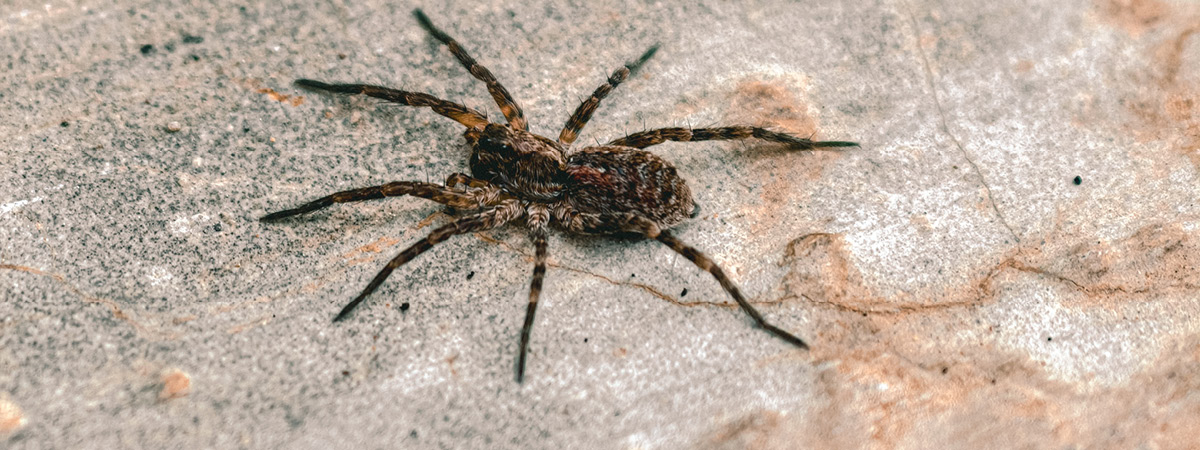
Helpful Spider Information For Homeowners Dealing With House Spiders
Fun facts are a great way to reduce fears around spiders, but practical tips are just as important to have handy if you encounter a house spider. Information about spider behavior is full of insights that can help you spot, prevent and control spider problems in your home. What do they eat? Where do they live? When are they a problem? We answer these and more of your common questions to help you feel more confident about handling spiders at home.
How Many Types Of Spiders Are There In Iowa?
There are more than 40 different species of spiders in Iowa, including common house spiders, grass spiders, cellar spiders, wolf spiders and funnel weaver spiders. Brown recluse and black widow spiders are two venomous species in Iowa, but both are rare and relatively low-risk.
What Do Spiders Eat?
Most spiders are carnivores, feeding on insects, other spiders and sometimes small animals. Spiders can actually serve as a natural form of pest control to keep other insect populations at bay. If you suspect a spider problem, you likely have a larger insect problem on your hands attracting spiders to your home.
How Long Do Spiders Live?
The common house spider lives for one to three years on average, and in that time, female spiders can produce thousands of eggs. If untreated, spider issues can escalate with hundreds or thousands of eggs produced in a single season.
Where Do Spiders Hide?
Spiders are often out of sight, favoring dark, quiet, low-traffic areas like window sills, attics, basements, garages, corners and ceilings as well as under furniture and inside boxes. Any nook and cranny is fair game, especially if other insects are nearby.
When Is Spider Season?
Spiders are at their prime in the summer months, but they can be found from August until December. They peak in the summer as species like orb weavers and house spiders reach maturity, but they can start to be seen inside more frequently as the weather cools down. Our team at Preferred Pest Control provides year-round service plans to treat seasonal pests and stay ahead of spider season.
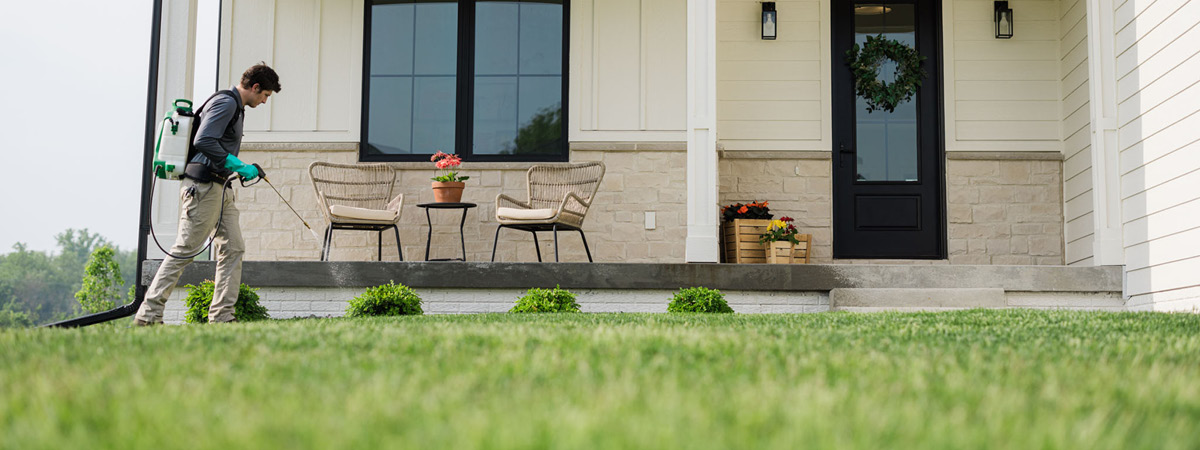
How To Get Rid Of Spiders In Your House & Garage
To get rid of spiders in your home or garage, try to limit their food sources, keeping your home clean and free of other insects or clutter they can hide behind. You can seal entry points, turn off outdoor lights and remove webs when you see them, but the most surefire way to keep house spiders at bay is to hire professional pest control for spider treatment. Here’s how to keep spiders out of your house and garage at a glance:
- Keep your home clutter-free
- Seal cracks, windows and entry points
- Vacuum, sweep or dust indoor webs away
- Turn off outdoor lights that attract other insects spiders feed on
- Seek professional pest control for spider treatment
Protect Your Home With Reliable Pest Control For Spiders
Many individuals are afraid of spiders, but we hope this blog helps to ease your mind that they aren’t a major threat. Still, house spiders can be a nuisance and multiply rapidly, so we’re here to help keep your home pest-free through targeted interior and exterior treatments. For fast, efficient, family-friendly pest control for spiders, request a free assessment with Preferred Pest Control or call us at (515) 717-7644.
Did You Enjoy This Article? Check Out These Similar Blogs: