Wasp Control Experts Answer: Should You Be Scared Of Wasps In Iowa?
April 7, 2026
Does the buzzing sound of a wasp send you running for cover? Many homeowners assume any encounter with wasps is dangerous, but most wasps in Iowa are not naturally aggressive toward people. In fact, wasps play an important role in the ecosystem by helping control other pest populations and pollinating plants throughout the summer. While they may look intimidating, most wasps only sting when they feel threatened or when their nest is disturbed.
Even still, wasps can become a problem when nests appear close to homes, patios or entryways. Increased activity around decks, siding or rooflines may signal a growing colony nearby. In these situations, working with wasp control experts for professional pest control and wasp nest removal can help safely remove the nest and prevent the wasp infestation from spreading to inside the house. Understanding common wasp behavior and how to avoid attracting wasps to your property can help you enjoy the outdoors with fewer unwanted encounters.
Get To Know Your Local Wasps: Common Wasps Found In Iowa
Although there are more than 30,000 types of wasps in the world, only a handful are commonly found near homes in Iowa. These wasps typically fall into two subgroups: social wasps and solitary wasps. As the name suggests, social wasps group together to form a colony that can grow up to thousands of wasps living together in one nest. When social wasps feel a threat to their colony, they may sting. On the other hand, solitary wasps live and hunt alone and typically only use their stingers on their prey, meaning humans are usually left alone unless the wasp feels directly threatened. Recognizing the traits and behavior of the four most common types of wasps in Iowa can help you determine if your house is at risk of an infestation and when it may be time to consider professional wasp pest control.
Yellow Jacket Wasps
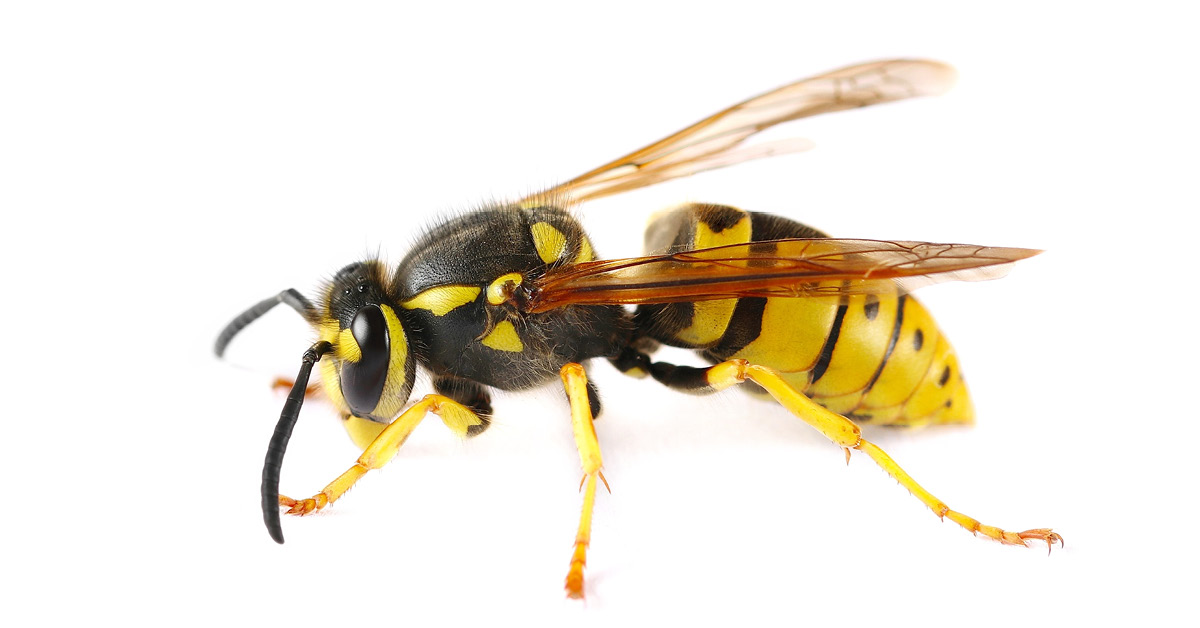
Yellow jackets are a common wasp species in Iowa known for their black and yellow striped bodies, which are often mistaken for bees. But unlike bees, yellow jackets have a thinner, more defined waist. These wasps typically grow to about half an inch long and are considered social wasps, meaning they’re more likely to sting when defending their nest. They start to form their nests underground or in secluded areas in the spring and grow throughout the summer as worker populations increase, which is why they may become more aggressive in late summer and early fall when colonies reach their largest size.
Paper Wasps
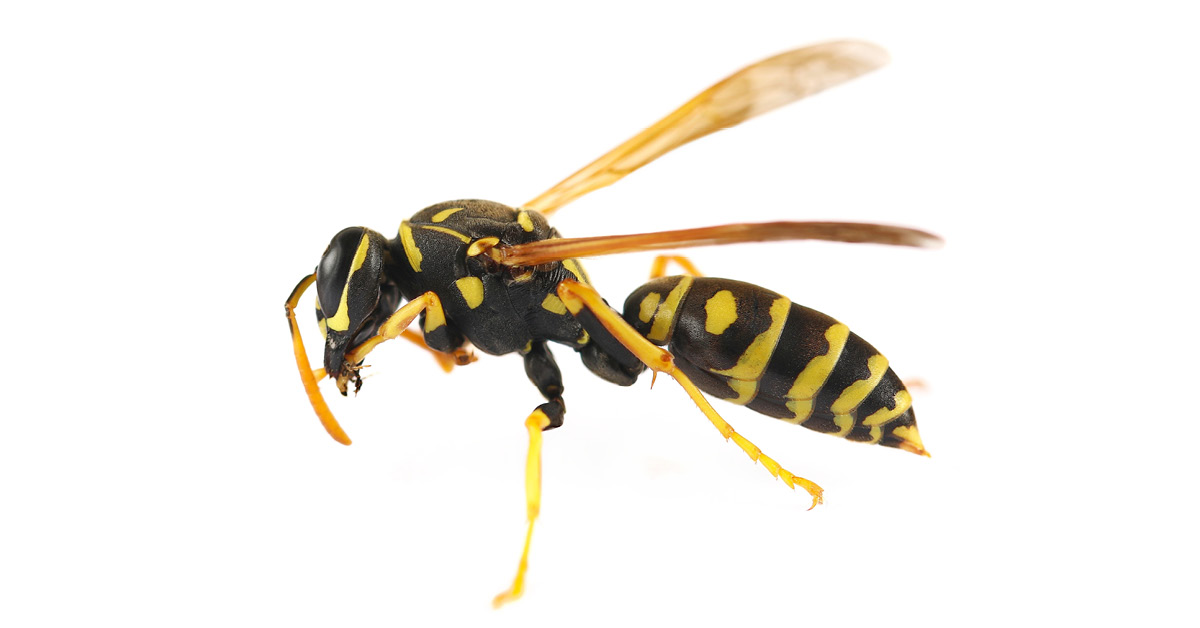
Paper wasps are another common wasp species in Iowa, recognizable by their slender bodies and dark brown coloring. Their name comes from the paper-like nests they build using plant fibers mixed with saliva, which often appear as open, geometrically shaped structures. These nests are commonly found in warm, dry areas like under roof eaves, inside crevices or in abandoned birdhouses. Like yellow jackets, paper wasps are social insects that live in small colonies but generally avoid people unless their nest is disturbed.
Mud Dauber Wasps
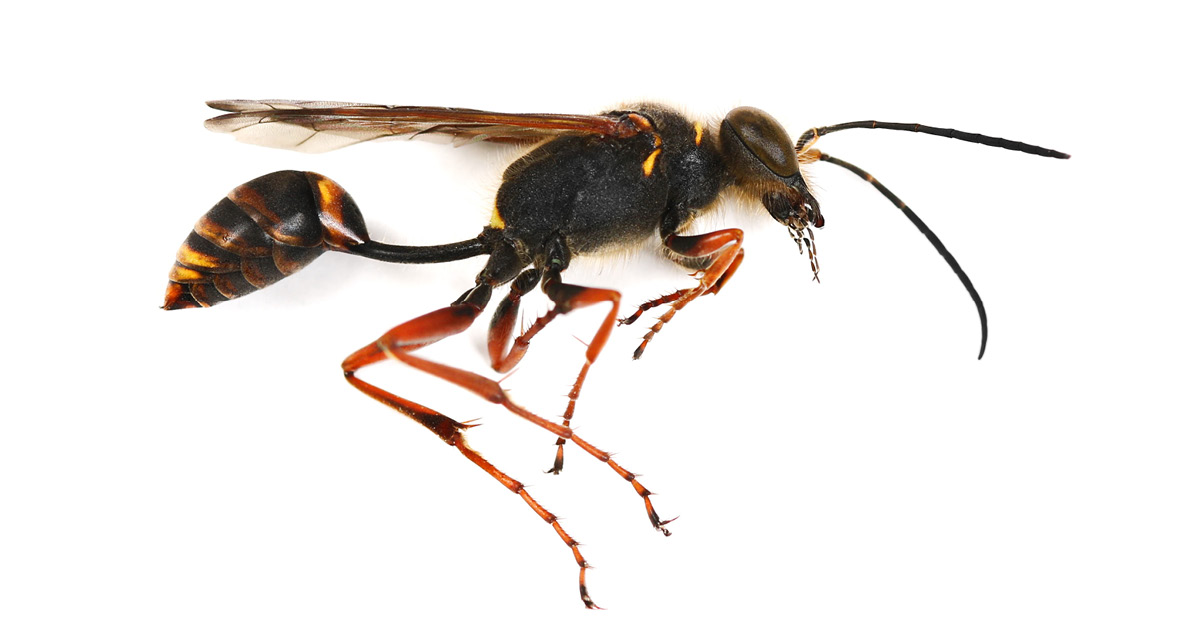
Mud daubers are a solitary type of wasp, meaning they don’t live in large colonies like yellow jackets or paper wasps. Their appearance can vary, but they’re often either solid black or sport a metallic blue coloring. True to their name, mud daubers build tube-shaped nests made from mud, often attached to exterior walls, garages or other sheltered surfaces that go undetected. However, these wasps are generally not aggressive and rarely sting humans. Mud daubers are actually considered beneficial wasps in Iowa because they help control spider populations and other insects.
Cicada Killer Wasps
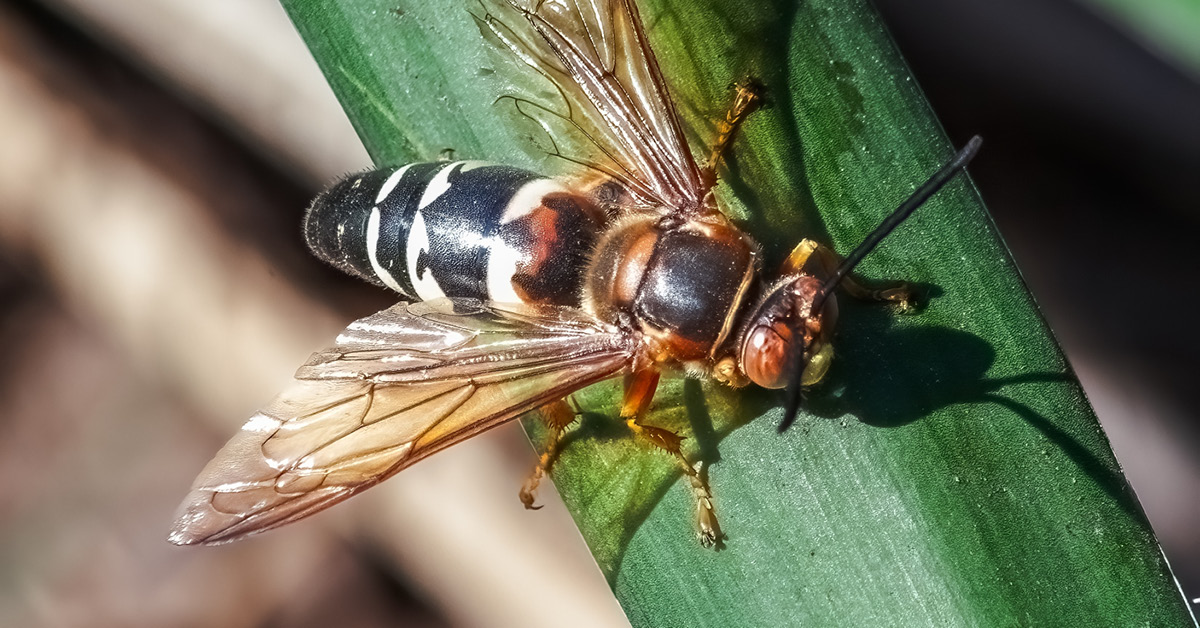
Cicada killer wasps are the largest wasps commonly found in Iowa, growing up to about two inches long. Their black bodies with yellowish-orange markings can resemble yellow jackets, but unlike social yellow jackets, cicada killers are solitary. They typically build their nests underground in loose or sandy soil. Although their large size can make them look intimidating, cicada killers are generally not aggressive toward humans. They use their stingers to stun cicadas and feed them to their larvae, in turn keeping the cicada population under control and protecting plant life
How To Avoid Wasps & Prevent Infestations Inside The House
Wasps are carnivores that feed on spiders, caterpillars and other insects, but they’re also attracted to sugary scents and food sources. Because of this, how you attempt to avoid wasps should start outdoors. Sweet drinks, uncovered trash and food left out during outdoor activities can attract wasps and encourage them to build nests near your home. Limiting these attractants and keeping outdoor spaces clean can help reduce the chances of wasps settling close to your property.
When wasps nest near a home, they may eventually find their way indoors through open doors, windows or small gaps around siding and rooflines. To help prevent a wasp infestation inside your house, keep food sealed, store ripe fruit in the refrigerator and avoid leaving pet food out for long periods of time. If a wasp enters the home, remain calm and open a window so it can fly back outside. However, if you notice frequent wasps indoors or suspect a nest inside walls, attics or other hidden spaces, it may be time to contact your local wasp control experts for wasp pest control in Des Moines.
How To Treat A Wasp Sting
While wasps in Iowa generally aren’t aggressive and only sting people when they’re disturbed or in danger, their stingers are still something to be wary of, especially because wasps are able to sting multiple times, unlike bees that leave their stinger in the victim's skin. Usually wasp stings aren’t severe, but reactions can vary. If you have life-threatening allergies to wasp stings, contact medical help immediately after being stung. Otherwise, to treat a wasp sting, WebMD recommends ice to control swelling and over-the-counter painkillers like ibuprofen to relieve pain. If the area around the sting is itchy, apply calamine lotion or a baking soda and water paste mixture.
Our Wasp Nest Removal Process
No one knows how to avoid wasps long-term better than wasp control experts at Preferred Pest Control. Our wasp nest removal process not only gets rid of the current threat of wasps near your home but also deters colonies from returning in the future. We complete four steps to safely rid wasps from your home:
- Spray The Nest - Our technicians treat the nest with an aerosol insecticide to eliminate active wasps and larvae and reduce the risk of stings during removal.
- Add Dust Insecticide To Prevent Pest Return - We apply a long-lasting dust insecticide to cracks, crevices and nesting areas near your home as a proven wasp pest control solution to prevent new wasps from returning to the same location.
- Remove Wasp Nest - Once the nest has been fully treated and is free of wasp activity, we remove it from the property when possible to further prevent pests from reusing the structure.
- Educate Homeowners On How To Avoid Wasps In Iowa - As a long-term wasp pest control partner in Des Moines, we provide guidance to homeowners about how to avoid wasps by reducing attractants and inspecting the property to prevent infestations from growing. While professional wasp nest removal is the safest solution for established colonies, homeowners can often spot early signs of activity around their property. Paying attention to where wasps gather or build nests can help you address problems before they escalate.
How To Get Rid Of Wasps In Your Backyard
Familiarizing yourself with common wasps in Iowa and how to avoid wasps at home are great first steps to prevent a wasp infestation in your yard or inside your house. Depending on the type of wasp, nests will look different, but if you’re worried about wasp activity, you can be diligent by examining common spots where a nest may be hidden. These are usually secluded spaces like inside trees, walls, cracks, gardens or underground. Because wasp colonies can grow quickly and become defensive when disturbed, wasp nest removal by a professional is the safest way to remove a nest without getting stung. Professional wasp pest control involves careful treatment to neutralize the wasps before removal and prevent wasps from coming back.
Call Preferred Pest For Wasp Pest Control In Des Moines
If you notice an influx of wasps around your property, you don’t need to be afraid. But you also don’t want to ignore the problem until it’s too late and you have a serious issue on your hands. Preferred Pest Control has experience with a variety of wasps in Iowa, providing pest control for homeowners across the Des Moines metro to keep your backyard and inside your house safe from a wasp infestation. Call our team of wasp control experts at 515-717-7644 or contact us online to schedule wasp nest removal today.